

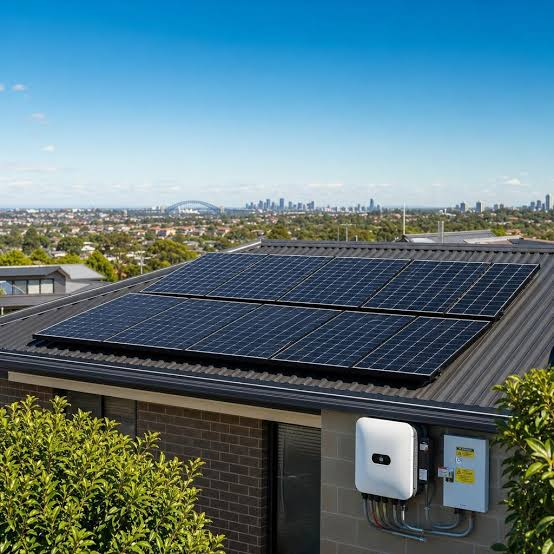
Home renovations often focus on kitchens, bathrooms, flooring and visual improvements, but electrical planning deserves equal attention. A renovation can be an ideal time to prepare a property for future energy upgrades because access to wiring, switchboards and roof spaces may already be easier. Homeowners speaking with a Residential solar installer during the planning stage can consider how solar, future appliances and electric vehicle charging may fit into the finished home rather than trying to add everything after construction is complete.
This does not mean every renovation needs solar panels, batteries and an EV charger immediately. The advantage comes from identifying likely future needs early enough to make practical decisions while electrical work is already underway.
Review How the Renovation Will Change Electricity Use
A renovated home may consume electricity differently from the property that existed before the project. An extension could add bedrooms, a home office or another living area. A redesigned kitchen may introduce induction cooking, while old gas hot water could eventually be replaced with an electric heat-pump system. Additional air conditioning can further change demand.
Solar design should therefore consider the home after renovation rather than relying entirely on historical electricity bills from before the work began.
Assess the Roof Before Finalising the Design
Renovations sometimes change roof shapes or create new usable areas for panels. Extensions can also introduce skylights, vents and other structures that influence solar placement.
Homeowners should consider:
- available roof area;
- orientation and pitch;
- existing or future shading;
- roofing condition;
- skylight locations; and
- access requirements.
If sections of the roof are being replaced as part of the renovation, coordinating that work with solar planning can reduce the likelihood of later disruption.
Think Beyond the Current Car
Electric vehicles may not be part of every household today, but transport choices can change well before another major renovation is needed. Planning for a future EV Charging Station Installation during renovation can help homeowners consider where a charger could be located, how a vehicle will park and whether the electrical system has suitable capacity.
Running appropriate electrical pathways while walls, ceilings or outdoor areas are already being worked on may be easier than modifying finished surfaces later. The exact electrical requirements should be determined by a qualified professional based on the charger, vehicle and property.
Give the Switchboard Some Attention
A renovation that adds new appliances and circuits can place greater demands on the electrical installation. The switchboard may need assessment to determine whether there is suitable capacity and space for the renovated home as well as possible future additions. Solar, batteries, air conditioning and EV charging all interact with the wider electrical setup. Treating each upgrade as an isolated project can result in repeated changes.
A broader assessment allows homeowners to understand which improvements are needed now and which can simply be planned for later.
Consider Where Future Equipment Could Go
Physical space is sometimes overlooked in energy planning. Solar equipment, batteries and EV chargers all need suitable installation locations. Homeowners may unintentionally use these spaces during landscaping, storage construction or exterior renovation work. Thinking about equipment locations before the renovation is finished can preserve sensible options.
For instance, a garage wall that appears unimportant today could later be useful for EV charging equipment, while another protected area may be considered for battery storage subject to applicable installation requirements.
Decide Which Upgrades Need to Happen Now
Future-proofing does not mean purchasing technology before it is needed. A homeowner might decide to install solar during the renovation because the roof work is already complete, but wait several years before buying an EV. Another household may prepare electrical pathways now while postponing both solar and charging equipment. The priorities should depend on budget, current electricity use and realistic plans. The important point is distinguishing between work that is worthwhile during construction and equipment that can reasonably wait.
Ask Different Contractors to Coordinate
Renovations often involve builders, electricians, roofers and other specialists. When future energy upgrades are being considered, communication between trades can prevent one part of the project from creating difficulties for another.
For example, roof penetrations, switchboard work, conduit routes and parking arrangements may all influence later installations. Homeowners should make sure relevant plans are discussed early rather than assuming every contractor is working from the same long-term energy strategy.
Conclusion
A renovation offers a useful opportunity to think about how the home will use energy for many years after the building work ends. New appliances, additional rooms, solar, future EV charging and possible battery storage can all influence electrical demand and installation requirements. Homeowners do not need to purchase every technology during the renovation, but considering likely upgrades early can preserve better options and reduce unnecessary rework later. By coordinating roof, electrical and construction decisions from the beginning, a renovated property can be prepared for changing household needs without turning every future energy improvement into another major building project.
