

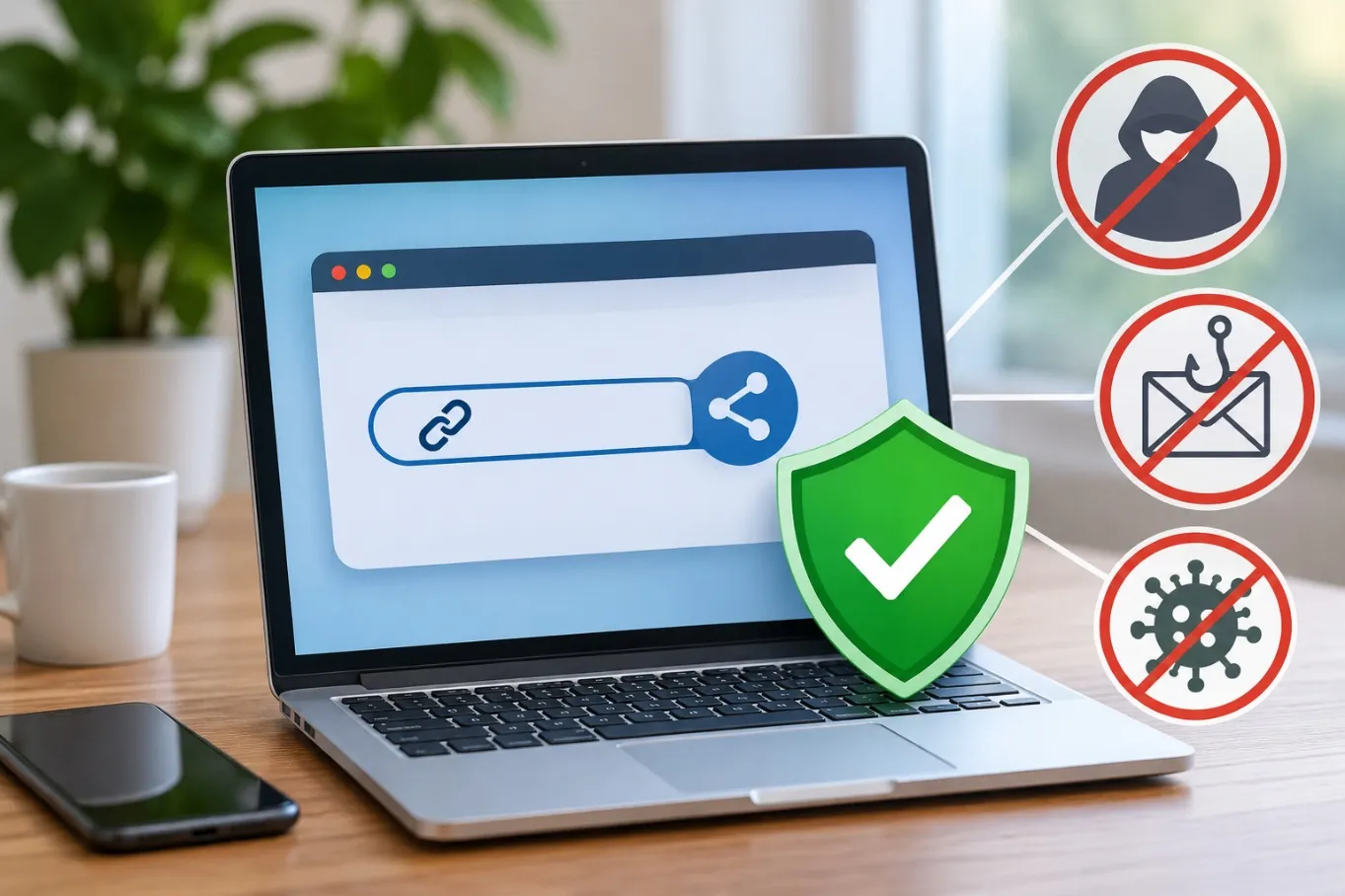
Anyone looking for a free URL shortener should consider an important question before choosing a service: can visitors trust where the shortened links lead? Shortened addresses may conceal the destination, which makes some readers cautious. With responsible usage, appropriate security measures and transparent sharing practices, shortened links can be used safely and effectively.
Why Readers Hesitate
The concern is understandable. Scammers have long used disguised links to push people toward fake pages, so many users now treat every unfamiliar address with suspicion. That caution protects them, and anyone sending links should respect it instead of treating it as an obstacle to be overcome through clever wording or aggressive urgency.
Trust is earned through context. A link that arrives from a known person, with a clear explanation, feels very different from a bare address dropped into a message. Context turns doubt into willingness to click, which is exactly what every sender wants to achieve, and it costs nothing more than a sentence or two of honest description before the link itself appears. For a link shared with customers, say who is sending it and what the recipient can expect after opening it. This makes the message more informative without asking readers to ignore ordinary security precautions.
What Responsible Tools Offer
Depending on the platform and its available features, a link shortener may offer controls such as password protection, link expiration and custom URL endings. These options can help users manage access and create more recognisable links. They do not, on their own, establish that a destination is safe or prevent every type of misuse.
Responsible URL-shortening platforms can help reduce misuse through suspicious-link detection, abuse reporting mechanisms and appropriate moderation processes. Such measures can protect users and support confidence in shared links, although the specific safeguards available vary between services.
How Readers Can Check a Link
You do not have to click unthinkingly. A link-preview or URL-expansion tool may reveal the intended destination before you open a shortened address. However, previewing a URL cannot guarantee that the site is safe. Verify unfamiliar destinations and exercise caution before entering personal or financial information.
Look closely at the final page, too. Check the spelling of the domain and verify that the website uses HTTPS. An encrypted connection does not by itself prove that the site is legitimate. Be cautious if a page unexpectedly requests passwords, payment information or other sensitive details; if something seems wrong, close the tab and contact the sender.
Habits for Honest Senders
Always describe what a link contains. Phrases such as “download the invoice” or “read the full guide” set clear expectations. Surprises, even pleasant ones, erode trust when they arrive through a hidden destination, so be upfront about exactly what happens after the click and what the reader will find waiting there. If a document requires a login, explain that requirement beforehand rather than surprising the recipient with an unexpected password screen. Clear expectations reduce confusion and make suspicious requests easier to recognise.
Keep your wording consistent over time. Audiences learn what your links look like, and familiarity becomes a quiet form of security. Sudden changes in style or tone can make even loyal readers pause, so introduce any new format gradually and explain it whenever you can.
Protecting Links That Matter Most
Some links deserve extra protection, such as private documents, early-access offers or client proposals. Where supported, password protection and link expiration can provide additional control over access. Configure these settings for the intended audience and level of confidentiality, while remembering that they cannot guarantee information will never be shared.
Review these links regularly, perhaps once a month, and treat the exercise like locking a door before leaving the house. Deleting old ones, or letting them lapse, keeps your digital footprint tidy and lowers the chance that a forgotten address leads somewhere you no longer control.
Questions to Ask Before Choosing a Tool
Start with transparency. Does the service explain how links behave, what data it records, and how it handles reports of misuse? Clear answers suggest a provider that takes responsibility seriously, while vague ones are a reason to look elsewhere.
Then consider control, because being able to respond when something changes is valuable. Does the platform allow you to update destination URLs, manage link expiration and disable links when they are no longer required? Availability varies, so compare the controls you actually need before choosing a service.
The Takeaway
Shortened links are useful tools when managed responsibly. Choosing a reliable platform, using available security controls and sharing links transparently can help create a safer, more trustworthy experience. Explore relevant URL-shortening options at insprl.com.
