

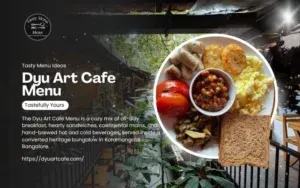
Menus can work better when they leave enough room for practical choices. On tastymenuideas.com, readers can explore menu planning ideas that make everyday meals easier to arrange. A menu is not only a list of dishes placed together for appearance. It also reflects timing, ingredients, cooking effort, serving space, and the people expected to eat. Sometimes a simple menu works perfectly because nobody wants a complicated meal after a long day. Other times, several dishes are useful because guests need different options. The useful part is finding a balance without making food planning feel like another difficult task.
Start With The Main Dish
The main dish usually gives a menu its basic direction, so choosing it early can simplify several later decisions. A vegetable curry, baked dish, rice preparation, pasta meal, or grilled item can each create different needs around it. Once the central food is decided, supporting dishes become easier to select because their flavors and textures can complement rather than compete with it. A rich main dish may need something lighter nearby, while a mild preparation can work with stronger side flavors. There is no need to fill every available space on the table. A smaller menu with dishes that work together can feel much more complete than a crowded arrangement.
Think About Cooking Methods
Menus become easier to manage when different cooking methods are considered before everything gets selected. If every dish needs the stovetop at the same time, preparation can become awkward even when the food itself sounds excellent. Oven dishes, steamed foods, cold preparations, and stovetop recipes can sometimes share the workload more comfortably. This matters especially during gatherings when several items need to be ready around one serving time. Cooking methods also influence texture, temperature, and preparation order. Planning them together can reduce last-minute pressure because one part of the menu can continue cooking while another dish is being finished or arranged.
Watch The Ingredient Overlap
Using some ingredients across several dishes can save money and reduce unnecessary shopping, but too much repetition can make a menu feel dull. For example, the same vegetable might appear in a main dish, side dish, and salad, creating a meal where everything starts tasting strangely similar. A better approach is using one ingredient in different ways without making it dominate the entire menu. Herbs, grains, vegetables, sauces, and basic pantry items can often serve several purposes. This kind of planning also helps prevent small leftover quantities from being forgotten. The goal is useful overlap, not making every plate look like another version of the same dish.
Leave Space For Preparation
A menu can look perfectly reasonable on paper and still become difficult once actual cooking begins. Recipes need washing, cutting, soaking, mixing, heating, resting, and sometimes cooling before they are ready to serve. These steps take time even when the final dishes seem simple. People should therefore look at preparation requirements instead of only reading cooking times. A dish needing thirty minutes of cooking may require another forty minutes before the pan even reaches the stove. Leaving some breathing room between tasks makes the whole process less stressful. It also gives the cook a chance to handle unexpected delays without ruining the planned serving time.
Match Food With Guests
The people eating the meal should influence the menu more than decoration or complicated presentation. Children may prefer familiar flavors, while adults might enjoy stronger seasoning or unfamiliar combinations. Some guests may avoid particular ingredients because of allergies, dietary choices, or personal preferences. Asking about important restrictions before finalizing the menu can prevent uncomfortable situations later. Portion expectations matter too, especially when several dishes are served together. A menu designed for a small family does not always work unchanged for a large gathering. Thinking about the actual guests helps make food choices practical instead of simply impressive on paper.
Consider Serving Temperature
Temperature can quietly affect whether a menu works well during service. Some dishes are best served immediately, while others can remain enjoyable after sitting for a short period. If every item needs to arrive piping hot at exactly the same moment, the cook may face unnecessary pressure. Cold salads, room-temperature sides, and dishes that hold their quality for longer can provide useful flexibility. This does not mean every menu needs a particular mix of temperatures. It simply helps to notice which dishes are sensitive to waiting. Serving conditions should be part of planning rather than something considered only after cooking finishes.
Use Texture For Variety
A menu can feel repetitive when several dishes have almost identical textures, even when their flavors differ. Soft rice, creamy vegetables, tender bread, and smooth desserts together may create a meal with little contrast. Adding something crisp, fresh, firm, or lightly crunchy can change the experience without requiring another complicated recipe. Texture also helps different dishes feel separate on the plate. This is especially useful when the menu contains several foods with similar seasonings. Variety does not require dozens of ingredients. Sometimes one simple contrasting element is enough to make the whole meal feel more balanced and interesting.
Keep Portion Sizes Realistic
Portion planning becomes important when menus contain several dishes because people usually take smaller amounts of each item when many choices are available. Preparing full family-sized quantities of every dish can lead to excessive leftovers and unnecessary work. At the same time, very small portions can leave guests searching for more food before the meal is finished. The number of diners, type of dishes, serving style, and expected appetite all affect reasonable quantities. It can help to decide which foods are central and which are supporting options. This keeps the menu generous without turning preparation into a much larger project than necessary.
Plan The Serving Order
Serving order can affect how smoothly a menu comes together, particularly when several courses or dishes are involved. Foods that need immediate attention should usually be prepared around the time they will actually reach the table. Items that can wait safely may be completed earlier and kept ready. The order also affects how flavors and fullness develop during a longer meal. A heavy dish arriving too early can change how much people enjoy later options. There is no universal sequence for every menu, but thinking about timing before cooking begins can prevent several small problems from appearing together during service.
Menus Can Stay Flexible
A practical menu should have enough flexibility to survive small changes without becoming useless. An ingredient may be unavailable, a guest may cancel, or cooking may take longer than expected. Building a menu around several dishes that can be adjusted gives the cook more room to react. One side can sometimes be removed without affecting the main meal, while another can be prepared with available ingredients. Flexibility is especially useful for everyday cooking because plans often change during the day. A menu does not need to be followed like a strict schedule. It should help organize the meal while still leaving room for ordinary changes.
Review Before Final Cooking
Taking a short look at the complete menu before starting can reveal problems that are difficult to notice while cooking separately. Check whether the dishes offer enough variety, whether preparation equipment is available, and whether the timing seems realistic. It also helps to notice repeated flavors, ingredients, and textures that may have appeared accidentally. A final review does not need to become a detailed planning exercise. Even a few minutes can expose a missing side, an overloaded appliance, or a dish that requires more preparation than expected. Small corrections made early are usually much easier than trying to repair the menu after cooking has already started.
Conclusion
A useful menu brings together food choices, preparation time, ingredients, textures, serving conditions, portions, and guest needs without creating unnecessary work. tastymenuideas.com can provide a starting point for exploring menu ideas while readers think about what actually fits their own kitchen and schedule. The strongest menus are not always the largest or most elaborate ones. They are often the arrangements where each dish has a clear purpose and the cook can prepare everything with reasonable effort. Before finalizing any menu, checking timing, equipment, ingredients, portions, and flexibility can make the entire meal easier to manage from the first preparation step through the final serving.
Read also :-
