

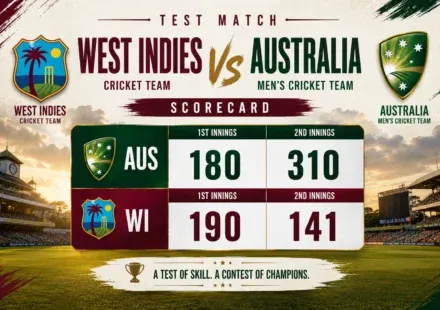
Understanding a target score helps cricket fans follow the pressure during a chase and recognize what a batting team needs to win. On cricketscore.it.com, readers can learn how targets, remaining overs, wickets, and required scoring rates explain the changing situation of a cricket match. The target is more than a number shown beside the team total. It tells the batting side how many runs are needed to achieve its objective, while the remaining deliveries determine how quickly those runs must be scored. Reading these details together makes a scorecard more useful and easier to understand.
What A Target Score Means
A target score is the number of runs a chasing team must reach to win a match. In a normal limited-overs match, the target is usually one run more than the first team’s final total. If the first team scores 175 runs, the chasing team generally needs 176 runs to win.
The target can change when playing conditions require an adjustment. For example, rain may interrupt a limited-overs match and reduce the number of available overs. Under the applicable competition rules, officials may revise the target to reflect the shortened contest. Readers should therefore check the final target displayed on the scorecard rather than calculating it from the original total alone.
Reading The Current Team Total
The current team total shows how many runs the chasing side has scored so far. Comparing this number with the target helps readers understand the team’s remaining requirement. If a team needs 176 runs and has scored 100, it still needs 76 runs to reach the target.
The number of wickets lost also matters when interpreting the total. A team that has scored 100 runs while losing only two wickets may have more batting resources available than a team with the same score and seven wickets down. However, the remaining batters’ abilities and match conditions also influence the situation.
A scorecard normally displays the team total, wickets lost, and overs completed together. These details should be read as a group because the total alone cannot explain how comfortably a team is progressing toward its target.
Understanding Required Run Rate
The required run rate shows how many runs per over the chasing team must score from that point onward to reach its target within the remaining overs. It changes as the innings progresses because both the required runs and available deliveries change.
Suppose a team needs 180 runs and has scored 90 after completing 10 overs in a 20-over match. The team needs another 90 runs from the remaining 10 overs, giving it a required run rate of nine runs per over.
If the team scores 25 runs during the next two overs without losing a wicket, it then needs 65 runs from eight overs. Its required run rate falls to approximately 8.13 runs per over. This calculation helps readers understand whether the chase is becoming easier or more demanding.
Why Remaining Wickets Matter
A target may look achievable when many runs remain, but the number of wickets available can change the situation considerably. Each dismissal reduces the batting team’s remaining players and can force the next batter to take greater responsibility.
For example, a team requiring 50 runs from five overs might appear well positioned with eight wickets remaining. The same target could become much harder if only two wickets remain and the incoming batters have limited experience.
Wickets also influence the decisions batters make during the final overs. A team with several wickets available may take calculated risks to increase its scoring rate. A team close to being bowled out might need to protect its remaining batters while still attempting to reach the target.
Readers should avoid judging a chase through the required run rate alone. The current score, wickets remaining, and available batting options all help explain the team’s position.
Following Targets After Rain Interruptions
Rain can change the structure of a limited-overs match by reducing the number of overs available to one or both teams. When the interruption affects the match, officials may use the competition’s approved method to revise the target.
A revised target depends on the specific match situation and the rules being applied. Readers should not assume that the original target remains valid after an official adjustment. The updated scorecard or match summary should show the target that applies to the revised contest.
The number of overs remaining also needs attention. A target that seemed comfortable over 20 overs may become much harder when the chasing team has only 12 overs available. In these situations, the required run rate can rise sharply, changing the approach needed from the batters.
Comparing Targets Across Formats
Targets work differently depending on the match format and the circumstances involved. In T20 cricket, a chasing team usually has a maximum of 20 overs, so scoring speed can become important quite early. A short period of slow scoring may create additional pressure later.
In One Day Internationals, teams generally have up to 50 overs in a standard uninterrupted innings. This longer format gives batters more time to build partnerships, although the required scoring rate can still become demanding when wickets fall or scoring slows.
Test cricket follows a different structure because teams can bat across multiple innings and matches can extend over several days. A fourth-innings target may depend on the totals from earlier innings rather than a fixed number of overs. Readers should understand the format before interpreting the target and the team’s chances of reaching it.
Common Target Calculation Mistakes
One frequent mistake is subtracting the current score from the target incorrectly. If the target is 201 runs and the team has scored 148, it needs 53 more runs to win. Keeping the target and current total separate helps prevent this basic error.
Another mistake is calculating the required run rate using the overs already completed instead of the overs remaining. The required rate concerns the runs still needed and the time still available, not the entire innings.
Readers should also remember that cricket overs use a special notation. An entry of 15.3 means 15 completed overs and three legal balls, not 15.3 decimal overs. This difference matters when calculating the remaining deliveries and required scoring rate accurately.
Conclusion
Understanding target scores helps cricket fans follow a chase beyond the basic team total. Readers using cricketscore.it.com can examine the target, current score, remaining overs, wickets lost, and required run rate together to understand how a match is developing. Each figure provides a different part of the picture, and none should be interpreted entirely on its own. With careful attention to these details, scorecards become easier to read and the changing pressure of a cricket chase becomes clearer.
Read also :-
bangladesh national cricket team vs afghanistan national cricket team timeline
