

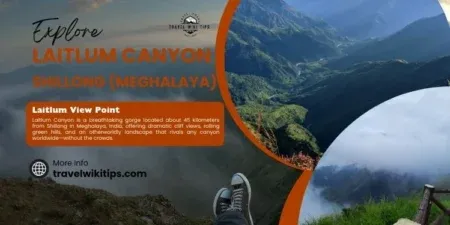
Hill stations provide opportunities to photograph mountain ridges, forests, winding roads, lakes, and changing clouds. However, attractive scenery does not always produce a strong photograph without some attention to light, framing, and camera settings. Travelers can capture memorable pictures using a smartphone or a dedicated camera. The key is to observe the surroundings carefully rather than taking every photograph from the same position. For travelwikitips.com, practical photography advice can help visitors prepare for outdoor conditions and record their experiences more thoughtfully.
Use Natural Light Well
Light changes quickly in mountainous areas, especially when clouds move across the sun. Early morning and late afternoon can provide softer light and more balanced colors. Bright midday sunlight may create strong shadows, although it can still work for certain scenes. Check how the light falls on the mountains before choosing where to stand. If the sky looks very bright, tap the main subject on your phone screen and adjust exposure when possible. Taking several photographs with slightly different exposure levels can help you choose the most suitable result later.
Explore Different Angles
A mountain view may look different when photographed from a lower position or beside a natural foreground object. Trees, paths, fences, and buildings can help create depth when they do not block the main subject. Try both wide landscape photographs and closer pictures of smaller details. A trail leading toward a distant ridge can guide the viewer’s attention through the frame. Avoid placing every subject directly in the center without considering other compositions. Move carefully, respect barriers, and never approach dangerous edges for a photograph.
Protect Your Camera Equipment
Mountain weather can include rain, mist, dust, and sudden temperature changes. Keep your phone or camera in a protective case and use a suitable waterproof bag when rain is possible. Wipe the lens gently with a clean microfiber cloth before taking important photographs. Moisture and fingerprints can reduce image clarity, particularly when photographing distant views. Cold conditions can also reduce battery performance, so carry a power bank and keep spare batteries warm when appropriate. Avoid exposing equipment to sudden temperature changes that may cause condensation.
Respect People And Nature
Photography should not interfere with the safety or privacy of other visitors. Ask permission before taking close photographs of local residents, workers, or private gatherings. Follow posted restrictions at religious places, museums, protected areas, and other sensitive locations. Avoid damaging plants or moving natural objects simply to improve a composition. Drones may be restricted in certain areas, so check local rules before carrying or operating one. Respectful photography helps preserve the environment and keeps the experience pleasant for everyone nearby.
Conclusion
Beautiful mountain photography depends on careful observation, useful lighting, thoughtful composition, and basic equipment protection. Try different viewpoints while staying on safe paths and respecting local rules. Photography guidance from travelwikitips.com can help you prepare for outdoor conditions and improve the pictures you bring home. Clean your lens, check your battery, and give yourself time to notice smaller details. The best travel photographs often come from patience and curiosity rather than expensive equipment or complicated camera settings.
Read also :-
