

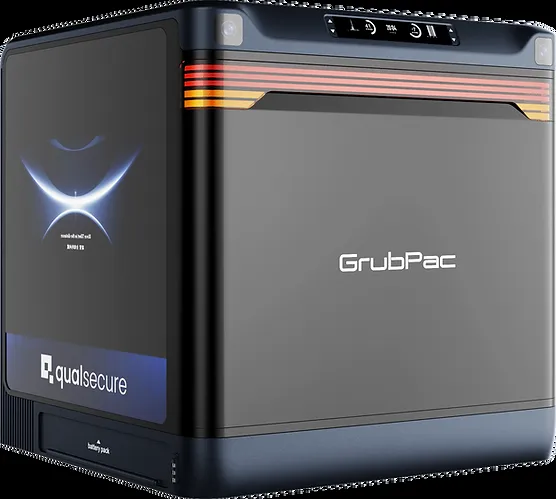
India’s food delivery industry has grown from a convenience-driven service into a major part of the country’s digital economy. Millions of consumers now rely on delivery platforms, cloud kitchens, and quick-commerce services for their daily food needs. As competition intensifies, businesses are focusing on more than just delivery speed. Food quality, freshness, and customer satisfaction have become equally important. This shift is encouraging the adoption of solutions such as Smart Food Delivery Box Temperature Control, which help businesses maintain food quality throughout the delivery process.
India’s Food Delivery Market Is Evolving
The food delivery landscape has changed dramatically over the last decade. Increased smartphone usage, digital payments, and improved internet access have made online ordering accessible to a larger audience.
Several factors are driving industry growth:
-
Urban lifestyles and busy schedules
-
Expansion of food delivery apps
-
Growth of cloud kitchens
-
Increased consumer convenience
-
Rising demand for quick-commerce services
As the market expands, customer expectations continue to rise. Consumers want food that arrives quickly, but they also expect it to maintain the same quality it had when it left the kitchen.
This expectation is creating new opportunities for delivery innovation.
Why Food Quality Has Become a Priority
Restaurants invest considerable resources in ingredients, food preparation, and packaging. However, the delivery stage remains one of the most critical parts of the customer experience.
Common delivery-related issues include:
-
Hot meals losing heat
-
Cold beverages warming during transit
-
Changes in food texture
-
Reduced freshness
-
Customer dissatisfaction
Even a perfectly prepared meal can leave a negative impression if it arrives in poor condition.
As customer reviews and ratings increasingly influence purchasing decisions, maintaining food quality during transportation has become a business necessity rather than an optional improvement.
The Limitations of Traditional Delivery Methods
Many delivery providers still rely on basic insulated bags to transport food. While these solutions offer some protection, they may not always be sufficient for today’s increasingly complex delivery requirements.
Modern food orders often contain a variety of products, including:
-
Hot meals
-
Cold drinks
-
Frozen desserts
-
Bakery items
-
Specialty foods
Managing different temperature needs within a single delivery can be difficult using traditional methods. As a result, businesses are exploring more advanced delivery solutions that can better support food quality preservation.
Technology Is Transforming Food Transportation
The food delivery industry is increasingly adopting technology to improve operational efficiency and customer satisfaction. Innovations are no longer limited to ordering apps and delivery tracking systems.
Businesses are now focusing on:
-
Food quality preservation
-
Temperature management
-
Delivery consistency
-
Operational efficiency
-
Customer experience improvement
These developments are helping delivery providers address one of the industry’s most significant challenges: ensuring food arrives as intended.
As delivery volumes continue to grow, transportation technology is becoming a key area of investment.
Supporting Diverse Delivery Needs
The expansion of cloud kitchens and multi-brand restaurant operations has created new delivery challenges. A single order may contain products that require completely different temperature conditions.
For example:
-
Pizza should remain hot.
-
Beverages should stay cool.
-
Frozen desserts require lower temperatures.
A Hot and Cold Smart Box can help support these varying requirements by accommodating different food categories more effectively during transportation.
This capability is becoming increasingly valuable as food delivery businesses expand their menus and product offerings.
The Role of Temperature-Controlled Delivery in Quick Commerce
Quick-commerce is adding another layer of complexity to food delivery. Consumers now expect meals, groceries, beverages, and frozen products to arrive within short delivery windows.
To meet these expectations, businesses need delivery infrastructure that supports both speed and product quality.
Advanced delivery systems can help businesses:
-
Reduce food spoilage
-
Improve customer satisfaction
-
Maintain product integrity
-
Support operational consistency
-
Enhance brand reputation
As quick-commerce continues to grow, demand for temperature-focused delivery solutions is expected to increase.
Why Delivery Infrastructure Will Shape the Future
The future of food delivery is not solely about faster transportation. It is about creating reliable experiences that preserve quality from the kitchen to the customer.
Businesses that invest in stronger delivery infrastructure may gain several advantages:
-
Better customer retention
-
Stronger online reviews
-
Reduced complaints
-
Improved efficiency
-
Greater competitive differentiation
As the industry matures, transportation quality will become an increasingly important factor in business success.
Conclusion
India’s food delivery industry is entering a new phase where food quality, customer satisfaction, and operational efficiency are becoming key competitive advantages. While speed remains important, consumers increasingly expect food to arrive fresh and properly maintained. This growing demand is encouraging businesses to explore smarter delivery solutions that support consistent quality during transportation. As restaurants, cloud kitchens, and delivery platforms continue to evolve, advanced delivery infrastructure will play a crucial role in shaping the future of food delivery across India.
