

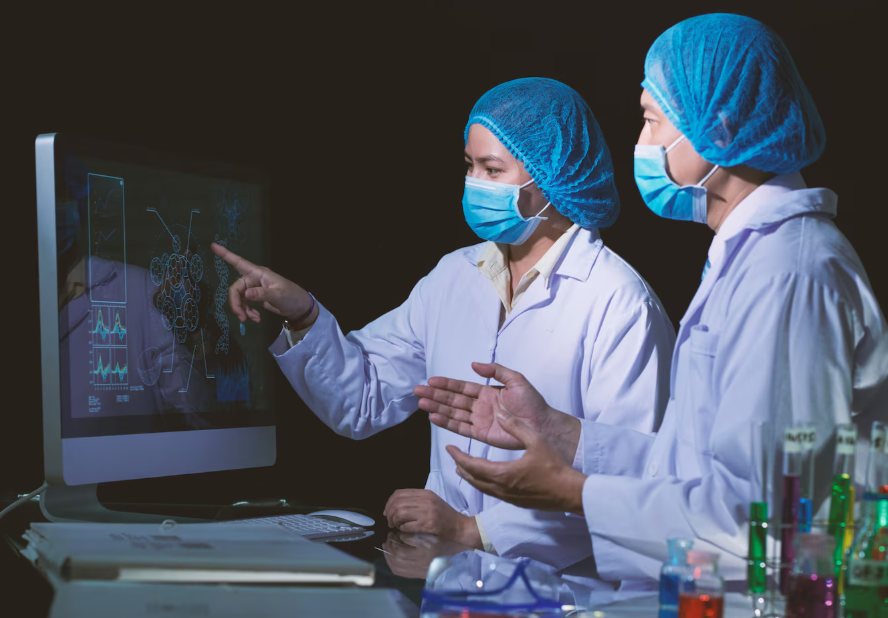
Technology, data, and research are all working together to make the healthcare business change at an amazing rate. The Pan-cancer biomarker platform is one of the most intriguing new developments because it changes the way cancer is diagnosed and treated. This platform looks at many varieties of cancer at once, looking for genetic, molecular, and cellular patterns that are common to all of them. This is different from previous methods that only look at one type of cancer at a time. These findings help doctors and researchers find cancer sooner and make treatment more tailored to each person.
Understanding the Strength of Patient Stratification Biomarkers
Finding cancer is critical, but it’s just as important to know how each patient will respond to treatment. This is where biomarkers for patient stratification come in. These biomarkers help doctors group patients based on their own biological traits, which makes it possible to give them more tailored treatments that work better.
In practice, patient stratification biomarkers help doctors:
- Figure out which patients will benefit from certain pharmacological therapies
- Keep patients from getting adverse effects from treatments that don’t work
- Guess how the disease will become worse and how the treatment will work.
Healthcare workers can customize treatments for each patient by incorporating this information into clinical workflows. This cuts down on trial-and-error methods and improves outcomes overall. Nexomic’s focus on advanced biomarker discovery supports this kind of precision in modern medicine.
Putting the Pieces Together: The Importance of Multi-Omic Data
The Pan-cancer biomarker platform strength comes from its ability to combine genomic, transcriptomic, proteomic, and metabolomic data. This all-encompassing method shows links that would not be seen if each omic layer were studied on its own.
By merging these extensive data sets, scientists might identify novel patient stratification biomarkers that elucidate the distinct behaviors of malignancies among individuals. This integration is what makes precision medicine possible. In this type of medicine, therapies are not just broad but very specific to each person.
Some of the main benefits of using multi-omic data are:
- A complete picture of how tumors work
- Better identification of biomarkers
- Faster finding of new treatment targets
These benefits all work together to make way for data-driven innovations that could change the future of cancer treatment. Nexomic’s advanced platforms leverage multi-omic integration to accelerate such discoveries.
How AI Changes the Future of Finding Biomarkers
In modern medical research, artificial intelligence (AI) is now the most important tool. AI quickly looks at complicated biological datasets and finds patterns that people can’t see when used on a Pan-cancer biomarker platform. These insights speed up the search for novel biomarkers and make the ones we already have more accurate.
AI-driven models also make it easier to find Patient stratification biomarkers, which makes predictive analytics possible. This can help doctors make decisions more quickly and with more confidence. Technology is making sure that data becomes useful intelligence that can be used in the actual world, from machine learning algorithms to predictive modeling. Nexomic is at the forefront of combining AI with biomarker innovation to deliver meaningful insights faster.
From Research to Making a Difference in the Real World
The real importance of innovation is not simply in finding new things, but also in how it may reach people. The Pan-cancer biomarker platform makes sure that every new scientific discovery leads to better care for patients. This method helps clinicians give patients genuinely individualized care by connecting research done in the lab with care given at the bedside.
At the same time, patient stratification biomarkers give clinical teams the information they need to make decisions that lower risks and raise benefits for patients. This is what the future of healthcare will be like: precise, predictive, and preventive.
Some of the effects are:
- Predictive biomarkers that help find diseases earlier
- Personalized treatment regimens based on molecular insights
- Lower healthcare expenses thanks to better patient management.
Conclusion
The Pan-cancer biomarker platform and Patient stratification biomarkers together signify a turning point in precision medicine. Researchers and doctors can now switch from reactive treatment to proactive care thanks to multi-omic intelligence and AI. To learn more about how multi-omic intelligence is changing precision healthcare, go to nexomic.com. Nexomic continues to redefine how innovation in biomarkers translates into real-world patient impact. Breakthroughs only matter when they help people.
